
Neck pain is one of the most common complaints we hear from patients who walk through our doors at Castle Hills Chiropractic. Whether it’s a dull, persistent ache from hours at a desk or a sharp, limiting pain that makes it hard to turn your head, neck discomfort can genuinely interfere with your daily life. If you’ve been searching for neck pain relief in San Antonio, you may have wondered whether chiropractic care is a good fit — and more importantly, what actually happens during treatment. This article is here to answer those questions honestly and clearly, so you can walk in feeling informed and confident.
What Is Chiropractic Care for Neck Pain?
Chiropractic care for neck pain is a non-invasive, drug-free approach to identifying and addressing the underlying musculoskeletal causes of pain and stiffness in the cervical spine. Rather than masking symptoms, chiropractors use hands-on techniques and targeted adjustments to restore proper joint movement, reduce nerve irritation, and support your body’s natural healing process.
Why Neck Pain Happens (And Why It’s So Common)
The cervical spine — the seven vertebrae that make up your neck — is one of the most mobile and vulnerable parts of your entire spine. It supports the full weight of your head (which can be anywhere from 10 to 12 pounds) while allowing you to nod, rotate, and tilt in nearly every direction. That’s an impressive range of motion, but it also means the neck is highly susceptible to strain, misalignment, and wear over time.
Here in the San Antonio area, we see patients dealing with neck pain for a wide variety of reasons. Modern life doesn’t help. Many people spend eight or more hours a day looking at computer screens, often with their head pushed slightly forward — a posture pattern commonly referred to as “tech neck.” Others develop neck pain after a car accident, a sports injury, or simply sleeping in an awkward position. Sometimes, neck discomfort creeps in gradually without any obvious cause at all.
From a chiropractic standpoint, neck pain frequently involves restricted joint movement in the cervical vertebrae, tension in the surrounding muscles and connective tissue, and — in some cases — mild nerve irritation. When the joints of the neck aren’t moving the way they should, the muscles around them tend to compensate, tighten, and eventually become painful. Dr. Brent Johnson at Castle Hills Chiropractic is trained to assess these movement patterns and develop a care plan tailored to what your body specifically needs.
Common Chiropractic Techniques Used for Neck Pain
One of the most common questions patients ask is, “What will you actually do to my neck?” It’s a fair and important question. Chiropractic care is not one-size-fits-all, and there are several well-established techniques that may be used depending on your condition, comfort level, and overall health history.
Cervical Spinal Manipulation (Adjustment)
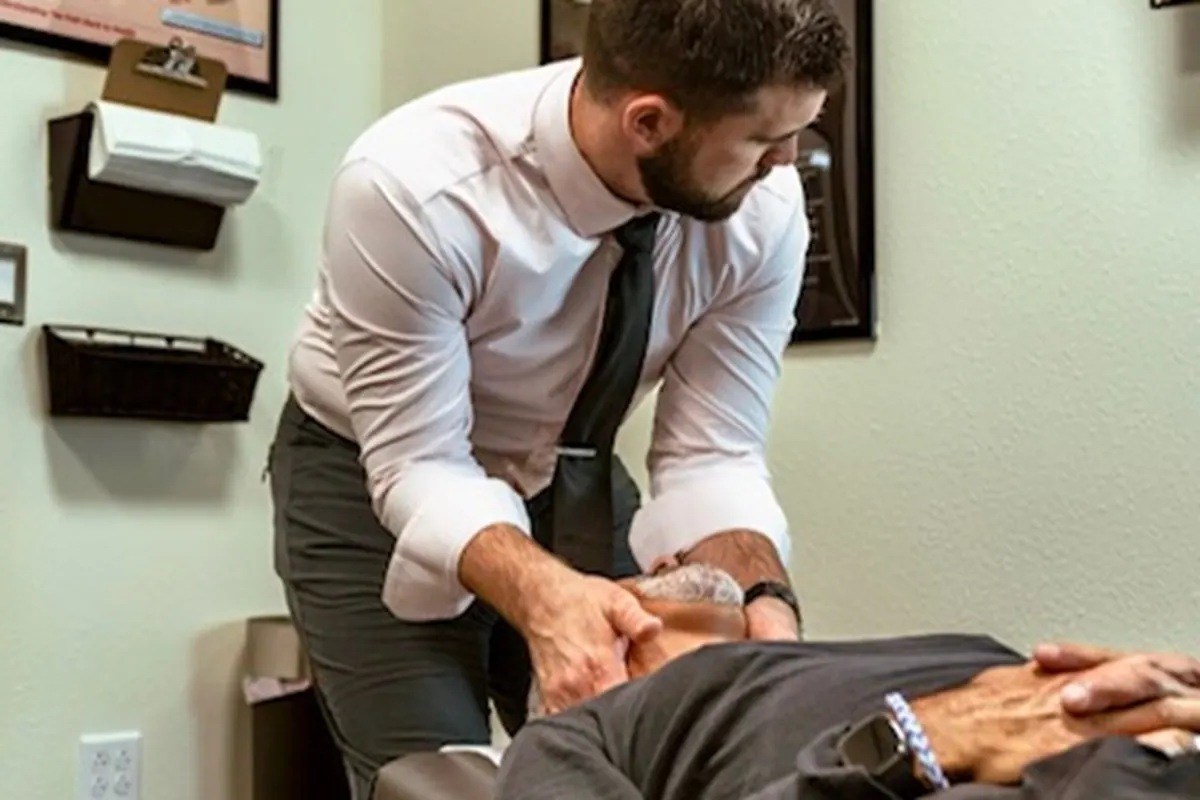
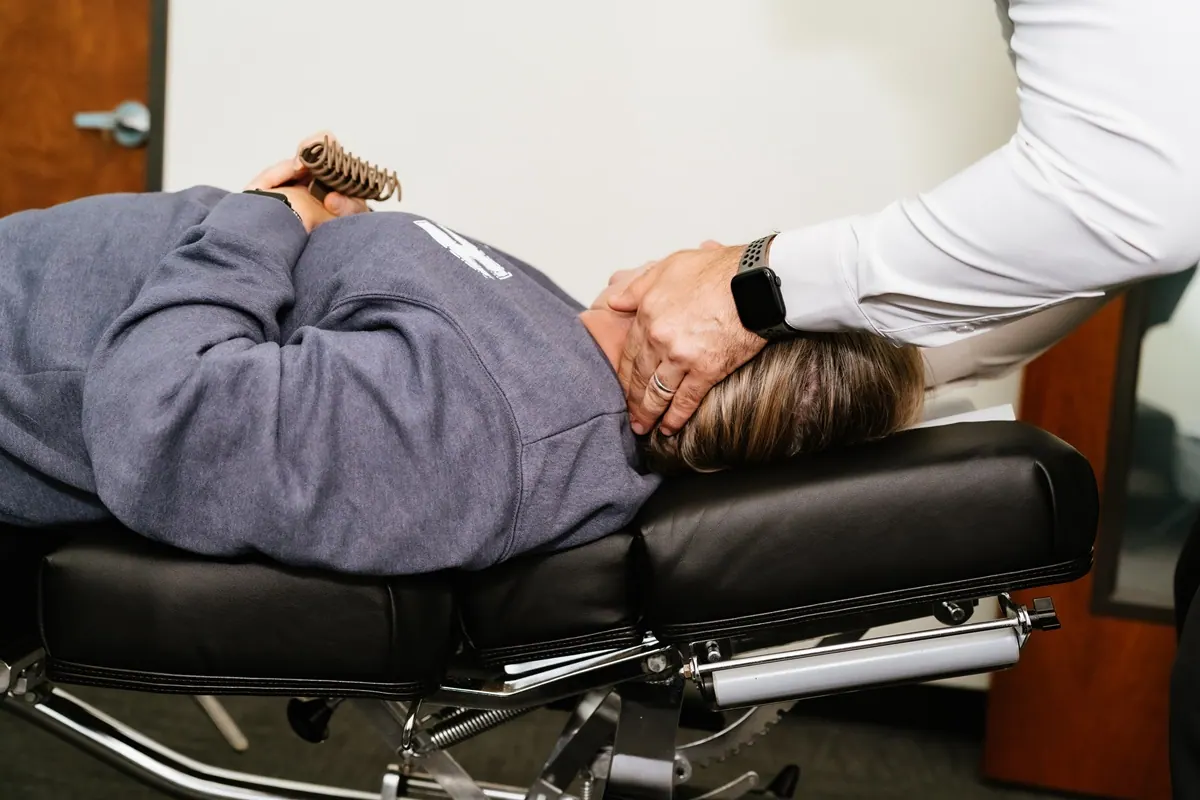
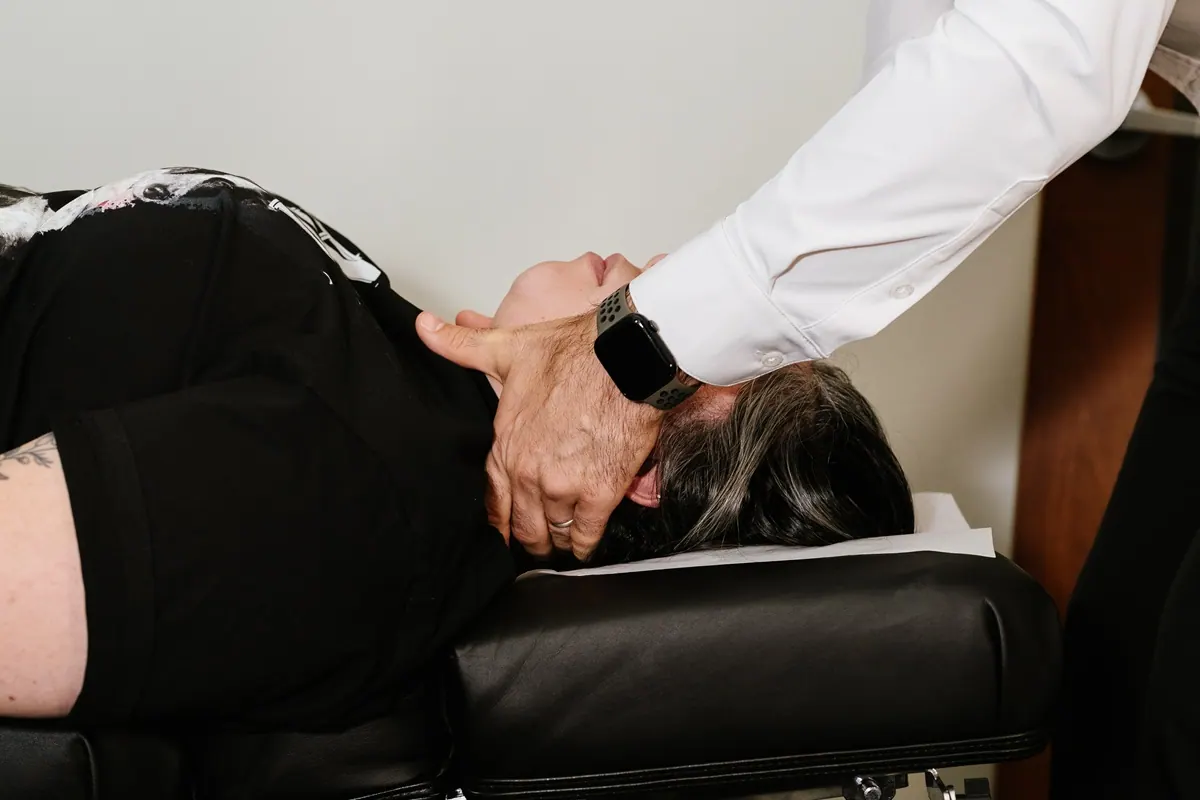
This is what most people picture when they think of chiropractic care. A cervical adjustment involves applying a controlled, precise force to a specific joint in the neck to restore proper range of motion and reduce stiffness. You may hear a gentle popping sound — this is simply the release of gas bubbles within the joint fluid, and it’s completely normal. Research published through organizations like the American Chiropractic Association and reviewed by the National Center for Complementary and Integrative Health (NCCIH) suggests that spinal manipulation can be effective for acute and subacute neck pain as part of a conservative care approach.
Cervical Mobilization
Mobilization is a gentler alternative to traditional manipulation. Instead of a quick thrust, the chiropractor moves the cervical joints through slow, rhythmic movements to gradually increase range of motion and reduce muscle tension. Many patients actually prefer this technique, especially those who are new to chiropractic care or who have some apprehension about adjustments. Dr. Brent Johnson uses mobilization frequently for patients in the San Antonio area who benefit from a more gradual approach.
Soft Tissue Therapy
Tight muscles and trigger points in the neck, upper back, and shoulders often play a significant role in cervical pain. Soft tissue techniques — which may include myofascial release or targeted muscle work — help relax these areas, improve circulation, and prepare the joints for more effective adjustment. Think of it as addressing the surrounding environment before working on the joint itself.
Flexion-Distraction Technique
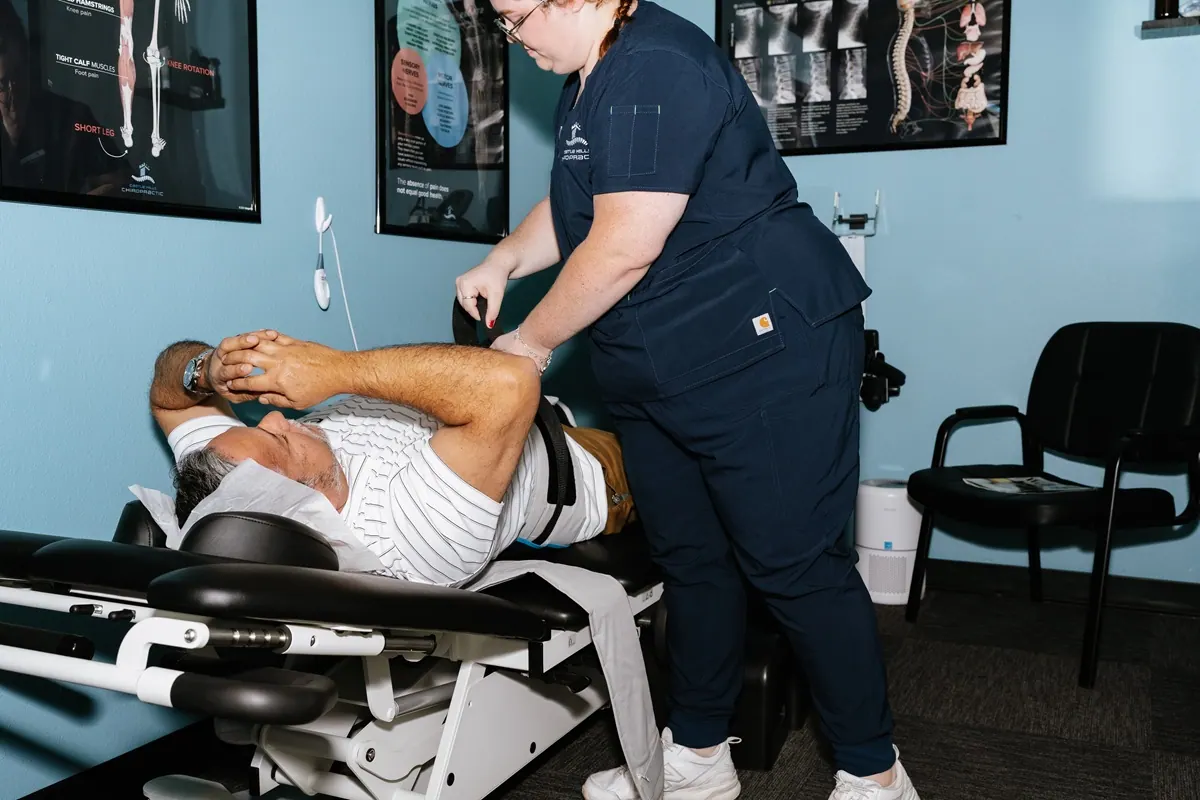
This specialized, low-force technique uses a gentle pumping motion to decompress the spinal discs and joints in the neck. It’s particularly useful for patients dealing with disc-related neck pain or symptoms that travel into the arm or hand. The motion is slow and rhythmic — most patients find it quite comfortable.
Instrument-Assisted Adjustment
Some patients — particularly older adults, those with osteoporosis, or those who simply prefer a hands-off approach — respond very well to instrument-assisted adjustments. A small handheld device delivers a gentle, targeted impulse to the joint without any twisting or manual force. It’s precise, comfortable, and highly effective for the right candidate.
Watch the video below to see what a chiropractic visit for neck pain might look like and get a feel for what the experience involves:
What to Expect During Your First Visit
If you’ve never been to a chiropractor before, it’s completely normal to feel a little uncertain about what to expect. The good news is that your first visit at Castle Hills Chiropractic is primarily about listening to you and understanding your situation — not jumping straight into treatment.
Dr. Brent Johnson will start with a thorough health history and a detailed discussion about your symptoms. When did the pain start? What makes it better or worse? Does it travel into your shoulders or arms? Have you had any injuries? These questions help build a clear picture of what’s happening in your neck and rule out any conditions that might require a different type of care.
After the consultation, you’ll go through a physical and chiropractic examination. This typically includes postural assessment, range of motion testing, orthopedic and neurological checks, and palpation (hands-on feeling) of the cervical spine and surrounding muscles. In some cases, if imaging like an X-ray is appropriate, that may be recommended before beginning care.
Once all of that information is gathered, Dr. Brent Johnson will explain his findings in plain language and walk you through a recommended care plan. You’ll never be pressured — the goal is for you to feel fully informed and comfortable with every decision. Many patients in the San Antonio area tell us they wish they’d come in sooner, simply because the first visit gave them so much clarity about what was actually going on with their bodies.
How Chiropractic Care Fits Into Your Recovery
It’s worth understanding that chiropractic care works best as part of a broader, patient-centered approach to recovery — not as a quick fix. Evidence from organizations like the American College of Physicians (ACP) supports spinal manipulation as a first-line conservative care option for neck and back pain, particularly before considering more invasive treatments like surgery or long-term medication use.
At Castle Hills Chiropractic, care is always individualized. The number of visits you need, the techniques used, and the overall approach will depend entirely on your specific condition, how your body responds to care, and your personal health goals. Some patients experience meaningful relief after just a few visits. Others with more chronic or complex presentations may benefit from a longer course of care combined with home exercises and lifestyle guidance.
Chiropractic care for neck pain in San Antonio also pairs well with other conservative therapies. Massage therapy, physical rehabilitation exercises, ergonomic changes at your workstation, and stress management can all play a supporting role in your recovery. Dr. Brent Johnson takes a whole-person approach — meaning your neck pain isn’t treated in isolation from the rest of your health and lifestyle.
Practical Tips to Support Your Neck Health at Home
Between visits, there are practical things you can do to protect your neck and support the progress you’re making in the office. These aren’t complicated — they’re small, consistent habits that add up over time.
One of the most impactful changes you can make is adjusting your screen height. Your monitor or laptop screen should be at eye level so your head isn’t tilting downward for hours on end. This single ergonomic correction can dramatically reduce the cumulative strain on your cervical spine. If you’re using a phone frequently, hold it up toward eye level rather than looking down at it in your lap.
Sleep position matters more than most people realize. Sleeping on your back or side with a supportive pillow that keeps your head in a neutral position helps prevent overnight strain. Stomach sleeping, on the other hand, forces your neck into a prolonged rotation that can aggravate existing issues.
Gentle, consistent movement throughout the day is also important. Sitting still for long periods causes the muscles and joints of the neck and upper back to stiffen. Setting a timer to get up and move every 30–45 minutes can make a real difference. Even simple chin tucks and shoulder rolls can help maintain mobility between visits. Dr. Brent Johnson can recommend specific exercises and stretches appropriate to your condition and stage of care.
When to See a Chiropractor for Neck Pain

Many people wait far longer than they should to seek care for neck pain, hoping it will just go away on its own. While minor stiffness after an unusual sleeping position often does resolve within a day or two, persistent neck pain that lasts more than a week or two is worth having evaluated. The sooner a problem is identified, the easier it generally is to address.
Consider scheduling a visit to Castle Hills Chiropractic if you’re experiencing neck pain that limits your range of motion, frequent headaches that seem to originate from the base of your skull, stiffness that’s worst in the morning and improves through the day, or upper back and shoulder tension that accompanies your neck pain. These are all common presentations that respond well to chiropractic care in many patients.
There are also situations where neck pain requires prompt medical attention rather than — or in addition to — chiropractic care. If your neck pain follows a significant trauma like a car accident or fall, is accompanied by numbness or weakness in your arms or hands, includes difficulty with coordination or balance, or is paired with fever, unexplained weight loss, or severe headache, please seek medical evaluation right away. Dr. Brent Johnson will always refer you to the appropriate healthcare provider if your condition falls outside the scope of chiropractic care. Your safety is the priority.
Treatment Approaches: A Side-by-Side Look
Approach | Invasiveness | Primary Goal | Common Use Case | Typical Side Effects |
|---|---|---|---|---|
Chiropractic Adjustment | Non-invasive | Restore joint movement, reduce nerve irritation | Acute or chronic neck pain, stiffness, headaches | Mild temporary soreness |
Pain Medication (OTC) | Non-invasive | Symptom relief (temporary) | Short-term pain management | GI upset, dependency risk with long-term use |
Physical Therapy | Non-invasive | Strengthen and rehabilitate muscles | Post-injury or post-surgical recovery | Temporary exercise soreness |
Steroid Injections | Minimally invasive | Reduce localized inflammation | Disc herniation, nerve root irritation | Temporary pain increase, possible hormonal effects |
Surgery | Highly invasive | Structural correction | Severe disc damage, instability | Recovery time, surgical risks, scar tissue |
Myths vs. Facts About Chiropractic Neck Treatment
Myth: Chiropractic neck adjustments are dangerous.
Fact: When performed by a licensed, trained chiropractor, cervical adjustments are considered a safe and well-established conservative care option. Like any healthcare intervention, there are low-level risks, and a thorough exam helps identify who is and isn’t a good candidate. Dr. Brent Johnson conducts a full evaluation before recommending any technique.
Myth: The cracking sound means something is being broken or damaged.
Fact: That sound is called a cavitation — it’s the release of gas (primarily nitrogen and carbon dioxide) from the fluid within the joint capsule. It’s harmless and doesn’t indicate damage. Some adjustments don’t produce any sound at all and are equally effective.
Myth: Once you start chiropractic care, you have to keep going forever.
Fact: There is no requirement for ongoing indefinite care. Many patients at Castle Hills Chiropractic complete an initial care plan for neck pain relief and then choose to return periodically for wellness check-ins — but that’s always a personal choice. Care plans are flexible and patient-driven.
Myth: Chiropractic care only helps with back and neck pain, nothing else.
Fact: While musculoskeletal conditions like neck and back pain are central to chiropractic care, many patients in San Antonio also report improvements in headaches, shoulder tension, and overall posture after receiving cervical chiropractic care. Chiropractors take a whole-body, nervous system–focused approach.
Myth: You should just rest and wait for neck pain to go away on its own.
Fact: For minor, short-lived soreness, rest may be appropriate. But for persistent or recurring neck pain, waiting can allow the underlying issue to worsen over time. Early evaluation and conservative care often leads to faster, more complete recovery.
Final Thoughts from Castle Hills Chiropractic
Neck pain is incredibly common, but that doesn’t mean you have to simply live with it. Here in the Castle Hills and greater San Antonio community, our goal at Castle Hills Chiropractic is to help you understand what’s happening in your body and give you the tools and care you need to feel better — and stay better.
Dr. Brent Johnson brings a genuine, patient-first approach to every person who comes through the door. Whether you’re dealing with a recent flare-up, a nagging ache that’s been bothering you for months, or simply want to be proactive about your spinal health, we’re here to help. You deserve to move freely, sleep comfortably, and get through your day without pain holding you back.
If you’re in the San Antonio area and have been putting off getting your neck looked at, we’d encourage you to take that first step. A simple evaluation can tell you a great deal — and it just might change how you feel every single day.
Frequently Asked Questions
Is chiropractic care for neck pain covered by insurance?
Many health insurance plans do include chiropractic benefits, though coverage varies widely depending on your specific plan. We recommend contacting your insurance provider directly to understand your benefits before scheduling. Our team at Castle Hills Chiropractic is happy to help you navigate this process.
How many chiropractic visits will I need for neck pain?
This depends on the nature and severity of your condition. Some patients see significant improvement within just a few visits, while others with more chronic issues benefit from a longer care plan. Dr. Brent Johnson will give you a realistic recommendation after your initial evaluation.
Will a chiropractic neck adjustment hurt?
Most patients find cervical adjustments to be comfortable and even relieving. Some mild soreness afterward — similar to what you might feel after a workout — is occasionally reported, but it typically resolves within a day or two. Dr. Brent Johnson always uses techniques appropriate to your comfort level.
Can chiropractic care help with headaches caused by neck tension?
Yes. Cervicogenic headaches — headaches that originate from dysfunction in the cervical spine — are a well-recognized condition that often responds positively to chiropractic care. If your headaches seem to start at the base of your skull or are accompanied by neck stiffness, this is worth discussing during your evaluation.
Is it safe to see a chiropractor after a car accident in San Antonio?
Chiropractic care is commonly sought after auto accidents, particularly for whiplash and cervical strain. It’s important to be evaluated promptly after any accident, as some injuries don’t cause immediate pain. Dr. Brent Johnson can assess your condition and coordinate care appropriately.
What’s the difference between a chiropractor and a physical therapist for neck pain?
Both are conservative, non-invasive providers who can help with neck pain, but their approaches differ. Chiropractors focus primarily on spinal alignment, joint function, and nervous system health through adjustments and manual therapy. Physical therapists typically emphasize rehabilitation exercises and movement retraining. In some cases, working with both simultaneously can be highly beneficial.
TL;DR Summary
Neck pain is extremely common in San Antonio and often stems from poor posture, injury, or restricted cervical joint movement.
Chiropractic care uses several evidence-supported techniques — including adjustments, mobilization, soft tissue therapy, and instrument-assisted methods — to address the root cause of neck pain.
At Castle Hills Chiropractic, Dr. Brent Johnson conducts a thorough evaluation before recommending any treatment, ensuring your care plan is safe and tailored to you.
Simple home habits like ergonomic screen height, supportive sleep positioning, and regular movement can reinforce the progress you make during chiropractic visits.
If your neck pain has lasted more than a week or two, or is affecting your daily life, it’s worth scheduling an evaluation rather than waiting it out.