
Back pain is one of the most common reasons people seek medical and chiropractic care across the country — and here in San Antonio, it’s no different. Whether it comes on suddenly after lifting something heavy or builds slowly over months of long days at a desk, back pain has a way of interrupting your life in a serious way. The good news is that understanding back pain causes is one of the most empowering things you can do for your recovery. When you know what’s driving your discomfort, you can take smarter steps toward feeling better — and make informed decisions about your care.
At Castle Hills Chiropractic, Dr. Brent Johnson works with patients from Castle Hills, San Antonio, and the surrounding communities every day, helping them identify the root source of their back pain rather than just masking the symptoms. In this article, we’re going to break down the most common causes of back pain in plain language, explain how each one affects your body, and show you where chiropractic care fits into a safe, non-invasive path toward relief.
What Causes Back Pain?
Back pain refers to discomfort anywhere along the spine — from the base of the skull down to the tailbone — and it can involve muscles, joints, discs, nerves, or a combination of all of them. Most back pain is mechanical in nature, meaning it stems from how the structures of the spine move and interact, rather than from a disease or serious medical condition. Understanding which structures are involved is the first step toward finding real, lasting relief.
Common Causes of Back Pain
Back pain doesn’t have a single origin story. It shows up differently in different people, and its causes are just as varied. That said, there are several well-established back pain causes that Dr. Brent Johnson sees most frequently among patients here in the San Antonio area. Getting familiar with these can help you have a more productive conversation with your care provider and understand what may be happening in your own body.
Muscle and Ligament Strains
One of the most frequent back pain causes, especially in active adults, is a muscle or ligament strain. This happens when soft tissues are overstretched or torn — often from a sudden movement, lifting an object improperly, or even sleeping in an awkward position. The pain can range from a dull, persistent ache to a sharp, stabbing sensation that limits your range of motion. Muscle strains often heal well with conservative care, but they can become chronic if the underlying movement patterns or posture habits are never addressed.
Herniated or Bulging Discs
Between each vertebra in your spine sits a small cushioning disc filled with a gel-like center. When that gel pushes outward — either bulging or fully herniating — it can press on nearby nerves, creating pain, tingling, or numbness that sometimes travels down the legs (a condition known as sciatica). Disc issues are a very common back pain cause among people in their 30s through 60s, and they’re frequently related to repetitive strain, poor posture, or degenerative changes over time.
Spinal Joint Dysfunction (Subluxations)
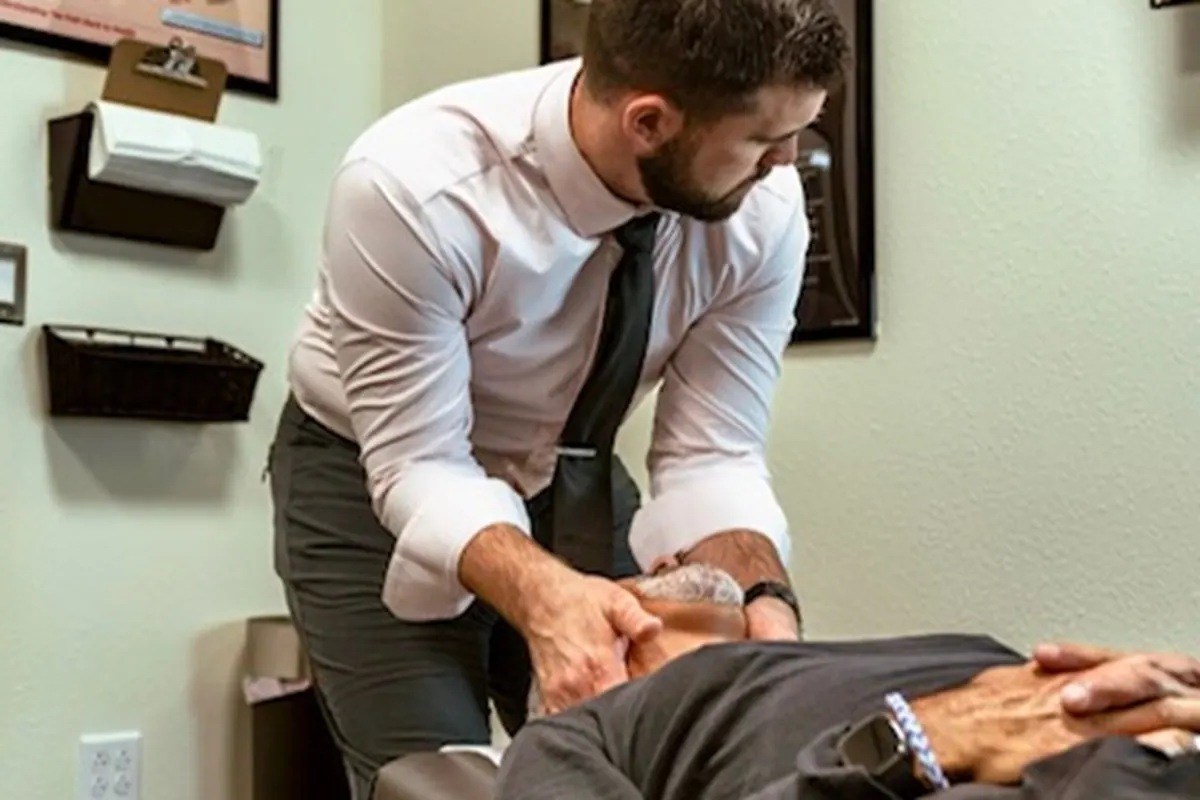
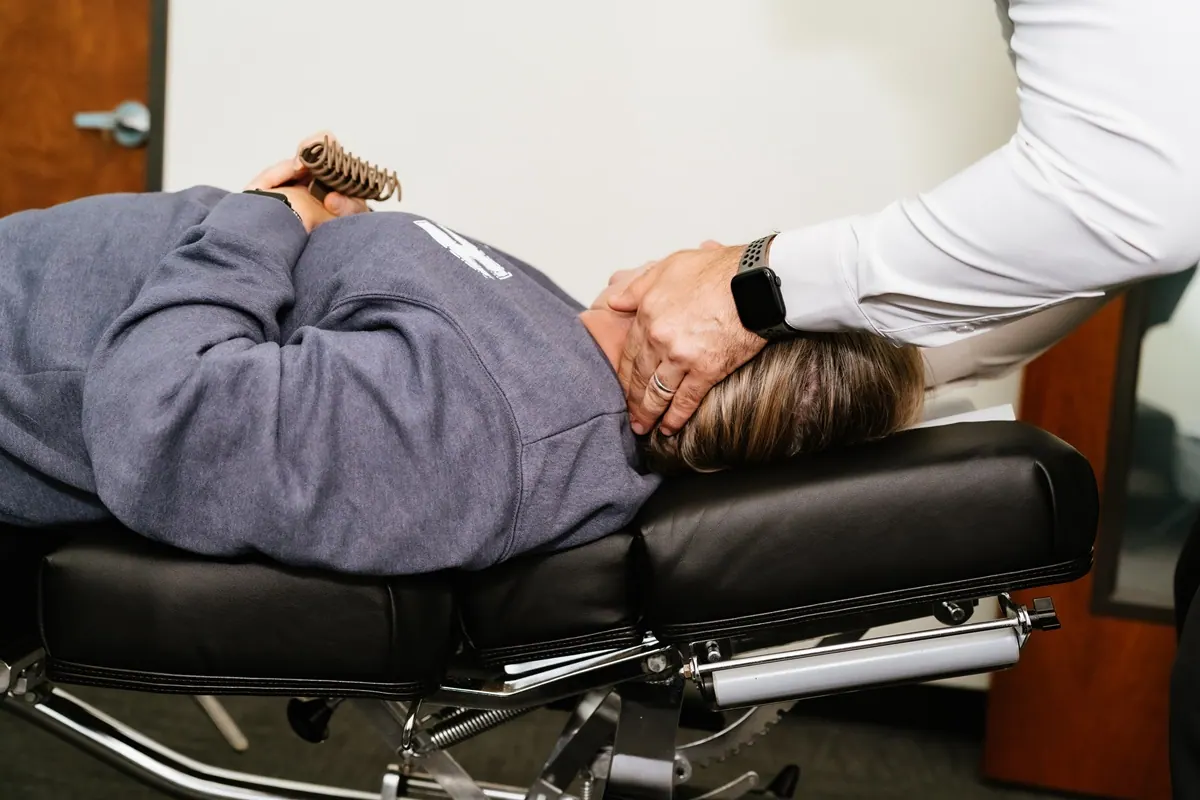
From a chiropractic perspective, one of the most significant but often overlooked back pain causes is joint dysfunction along the spine — sometimes called a subluxation. This occurs when the vertebrae aren’t moving properly relative to one another, which can irritate the surrounding nerves, muscles, and soft tissues. It doesn’t always show up on imaging, but it can cause real, persistent discomfort. Chiropractic adjustments are specifically designed to address this type of dysfunction, helping restore proper movement to the affected segments.
Degenerative Disc Disease
As we age, the discs in our spine naturally lose hydration and become thinner. This process — known as degenerative disc disease — can lead to increased pressure on spinal joints, stiffness, and chronic low-level pain that tends to flare up with activity or prolonged sitting. While it’s a natural part of aging, it’s not something you simply have to live with. Many patients in San Antonio find significant relief through conservative approaches that improve spinal mobility and reduce joint stress.
Postural Stress and Sedentary Habits
In today’s work environment, prolonged sitting and forward-head posture have become some of the leading back pain causes. Poor posture shifts the body out of its natural alignment, placing uneven loads on the muscles, joints, and discs of the spine. Over time, this leads to muscle imbalances, joint irritation, and the kind of nagging back pain that seems hard to pinpoint. Many San Antonio residents who work desk jobs find themselves in this category — and the solution often involves both movement and corrective care.
Scoliosis and Structural Abnormalities
Some individuals have a lateral curvature of the spine — known as scoliosis — or other structural variations that can create uneven load distribution along the back. These structural factors don’t always cause pain, but when combined with other stressors like muscle weakness or poor ergonomics, they can contribute significantly to chronic discomfort. Identifying these structural patterns is an important part of a thorough chiropractic evaluation.
The Anatomy Behind Your Back Pain
Understanding a little about spinal anatomy goes a long way in making sense of your symptoms. The spine is divided into three main regions: the cervical spine (neck), the thoracic spine (mid-back), and the lumbar spine (lower back). The lumbar spine takes on the most mechanical load of all three — which is why low back pain is so incredibly common. Below the lumbar spine sits the sacrum and coccyx (tailbone), which connect the spine to the pelvis.
Every section of the spine is designed to provide both stability and mobility, which is a delicate balance. The vertebrae protect the spinal cord, while intervertebral discs absorb shock and allow movement. Facet joints guide how the vertebrae move relative to one another, and a network of muscles, tendons, and ligaments hold it all together. When any one of these components is stressed, injured, or not functioning properly, pain is often the result. This interconnected design is exactly why addressing back pain requires looking at the whole picture — not just the spot that hurts.
Dr. Brent Johnson takes this whole-person approach seriously at Castle Hills Chiropractic, performing thorough evaluations that consider your spinal alignment, movement patterns, lifestyle habits, and health history before recommending any course of care. This kind of individualized assessment is what sets chiropractic care apart from a quick fix.
Risk Factors That Make Back Pain Worse
Certain factors can increase your likelihood of experiencing back pain — or make an existing problem significantly worse. Being aware of these risk factors doesn’t mean you’re destined for a life of discomfort. It means you have more information to work with, and more opportunities to make changes that protect your spine over time.
Age is one unavoidable factor — as the spine undergoes natural wear over the decades, certain conditions like arthritis and disc degeneration become more likely. However, lifestyle plays a massive role as well. A sedentary lifestyle weakens the core muscles that support the spine, making it more vulnerable to injury. On the flip side, physically demanding jobs that require repetitive bending, twisting, or heavy lifting can place the spine under significant cumulative stress.
Body weight is another important consideration. Excess weight — particularly around the midsection — shifts the center of gravity forward, increasing strain on the lumbar spine. Smoking has also been associated with reduced blood flow to the spinal discs, potentially accelerating degeneration. And stress, both emotional and physical, has a well-documented connection to muscle tension and pain perception. In San Antonio’s busy, high-energy culture, stress-related back tension is something Dr. Brent Johnson sees frequently in his practice.
How Chiropractic Care Fits In
Chiropractic care is a non-surgical, drug-free approach to treating many of the most common back pain causes. Rather than simply managing pain, chiropractic aims to identify and address the underlying dysfunction — whether that’s restricted spinal joints, muscular imbalances, nerve irritation, or postural problems. The evidence supporting chiropractic for back pain is meaningful: organizations like the American College of Physicians (ACP) and the National Institutes of Health (NIH) recognize spinal manipulation as a first-line conservative care option for certain types of back pain.
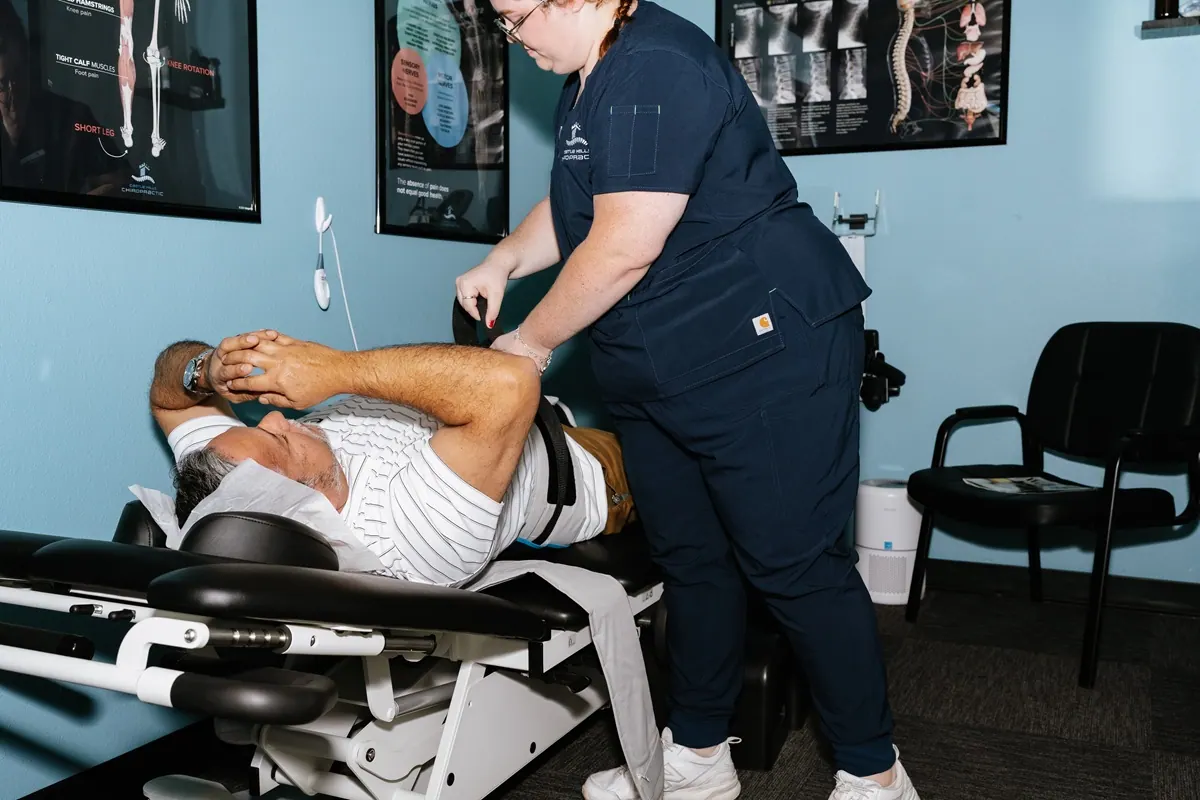
At Castle Hills Chiropractic in Castle Hills, TX, Dr. Brent Johnson uses a range of assessment and treatment techniques depending on the individual patient’s needs. A typical evaluation might include a physical examination, neurological and orthopedic tests, and a detailed health history review. From there, a personalized care plan may incorporate spinal adjustments, soft tissue therapies, rehabilitative exercises, and lifestyle guidance tailored specifically to what’s driving your pain.
For patients dealing with disc-related pain, joint dysfunction, postural issues, or chronic low back pain, chiropractic care offers a real, evidence-informed alternative to pain medications or more invasive procedures. Many San Antonio residents are surprised to learn just how much relief is possible through conservative care — especially when treatment begins early, before the problem becomes chronic.
Practical Tips to Support a Healthier Back
While professional evaluation and care are important, there’s a lot you can do on your own to support a healthier back. These practical recommendations are safe, straightforward, and aligned with the kind of whole-body wellness approach we promote at Castle Hills Chiropractic.
First, take your sitting posture seriously. If you work at a desk, make sure your chair supports the natural curve of your lower back, your feet rest flat on the floor, and your screen is at eye level. Even small ergonomic improvements can dramatically reduce the cumulative stress on your spine over a workday. Setting a timer to stand and move briefly every 30 to 45 minutes is one of the simplest things you can do to break up the postural strain of prolonged sitting.
Strengthening your core muscles is another critical piece of the puzzle. The deep abdominal and back muscles that surround your spine act like a natural corset, stabilizing the vertebrae during movement. You don’t need an intense gym routine — gentle, consistent exercises like pelvic tilts, bird-dogs, and modified planks can make a meaningful difference over time. Always consult with a healthcare provider before starting a new exercise program, especially if you’re currently in pain.
Sleep position matters more than most people realize. Sleeping on your side with a pillow between your knees, or on your back with a pillow under your knees, keeps the spine in a more neutral alignment throughout the night. Sleeping on your stomach, on the other hand, places significant rotational stress on the lumbar spine and neck — and is best avoided for anyone dealing with back pain.
When to See a Chiropractor for Back Pain
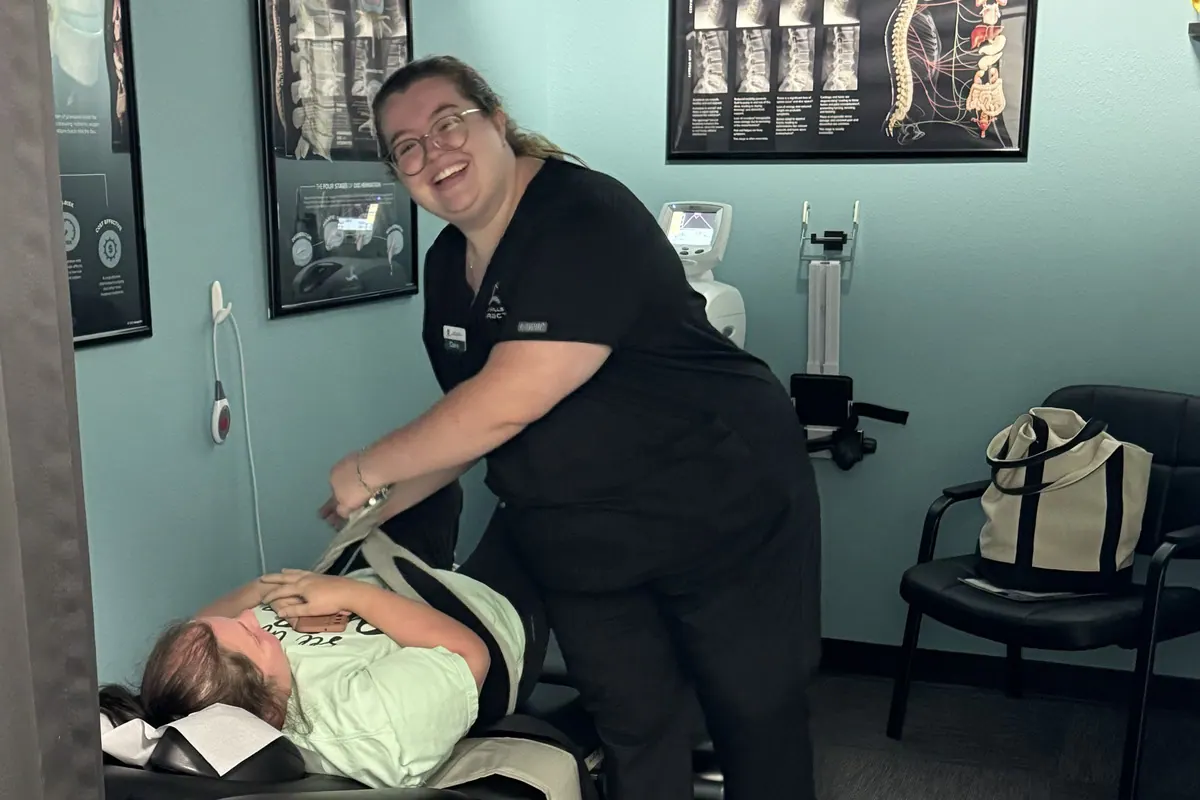
Many people in San Antonio wait too long before seeking care for their back pain — either hoping it will go away on its own, or unsure whether their symptoms warrant professional attention. While mild muscle soreness after activity often does resolve within a few days, there are clear signs that it’s time to get evaluated.
If your back pain has lasted longer than a week or two without improvement, it’s worth scheduling an evaluation. Pain that is interfering with your sleep, limiting your daily activities, or worsening over time is another clear signal. Pain that radiates down the leg, causes numbness or tingling in the feet, or is accompanied by muscle weakness deserves prompt attention, as these symptoms may indicate nerve involvement.
There are also certain red flag symptoms that warrant immediate medical attention — not chiropractic care. These include back pain accompanied by loss of bladder or bowel control, back pain following a significant trauma, unexplained weight loss alongside back pain, or fever and chills with back pain. In these cases, please seek emergency medical evaluation right away. At Castle Hills Chiropractic, Dr. Brent Johnson is committed to appropriate referrals whenever a patient’s needs fall outside the chiropractic scope of care.
Back Pain: Common Causes at a Glance
Cause | Common Symptoms | Who It Affects Most | May Respond to Chiropractic? |
|---|---|---|---|
| Muscle/Ligament Strain | Localized aching, stiffness, limited motion | Active adults, manual laborers | Yes, often well |
| Herniated/Bulging Disc | Sharp pain, radiating leg pain, numbness | Adults 30–60 years old | Yes, depending on severity |
| Spinal Joint Dysfunction | Stiffness, localized aching, restricted movement | All ages | Yes, directly addressed by adjustments |
| Degenerative Disc Disease | Chronic low-level pain, stiffness with activity | Adults 50+ | Yes, for mobility and pain reduction |
| Postural Stress | Diffuse aching, tension across upper and lower back | Desk workers, students | Yes, with postural correction |
| Scoliosis | Uneven shoulder/hip height, chronic back fatigue | Adolescents and adults | Yes, for symptom management |
Myths vs. Facts About Back Pain
Myth: Back pain always means something is seriously wrong with your spine.
Fact: The vast majority of back pain — even severe cases — is mechanical in nature and does not involve serious structural damage or disease. Most episodes of back pain improve with conservative care. Imaging findings like disc bulges or arthritis are common even in people without any pain, which is why symptoms and function matter more than imaging alone.
Myth: Rest is the best treatment for back pain.
Fact: While short-term rest can be helpful in the acute phase of injury, prolonged bed rest has actually been shown to slow recovery. Gentle movement, staying as active as comfortably possible, and guided care tend to produce better outcomes than extended inactivity. Evidence-based guidelines — including those from the American College of Physicians — recommend staying active as part of a back pain management plan.
Myth: Chiropractic adjustments are dangerous for back pain.
Fact: Spinal manipulation, when performed by a licensed chiropractor on appropriate candidates, is widely recognized as a safe and effective conservative care option. Serious complications are rare. Dr. Brent Johnson performs thorough evaluations before any care is initiated to ensure that chiropractic is appropriate for each individual patient.
Myth: If back pain goes away on its own, you don’t need to do anything else.
Fact: Pain relief is not the same as resolution of the underlying problem. Many people experience recurrent back pain episodes because the mechanical dysfunction or postural habits that caused the initial episode were never fully addressed. Continuing with some form of maintenance or corrective care — and addressing lifestyle factors — can significantly reduce the likelihood of recurrence.
Myth: Only older people get serious back pain.
Fact: Back pain is extremely common across all age groups. Young adults, teenagers, and even children can experience back pain related to posture, sports injuries, disc issues, or scoliosis. San Antonio’s active lifestyle means patients of all ages come through the doors at Castle Hills Chiropractic with back-related concerns.
Final Thoughts from Castle Hills Chiropractic
Back pain is incredibly common, but it’s not something you simply have to accept as your new normal. Understanding the underlying back pain causes — whether it’s a strained muscle, a disc problem, joint dysfunction, or years of postural stress — gives you and your care provider a clear starting point for creating a plan that actually addresses the root of the problem.
At Castle Hills Chiropractic, serving the Castle Hills and greater San Antonio community, Dr. Brent Johnson is passionate about helping patients move through life with less pain and more confidence. The approach here is always thorough, individualized, and grounded in conservative, evidence-informed principles. There are no quick fixes promised — just honest, caring guidance and hands-on care designed to help you get back to the life you love.
If you’ve been living with back pain and haven’t yet found the relief you’re looking for, we’d encourage you to reach out. Patients across the San Antonio area have found that a proper evaluation and a focused care plan can change things significantly — and it starts with simply understanding what’s going on in your own body.
Frequently Asked Questions
What are the most common back pain causes in adults?
The most common back pain causes in adults include muscle and ligament strains, herniated discs, spinal joint dysfunction, degenerative disc disease, and poor posture. Most cases are mechanical in nature and respond well to conservative care like chiropractic treatment, physical activity, and ergonomic improvements.
Can a chiropractor in San Antonio help with chronic back pain?
Yes, chiropractic care is a recognized conservative option for chronic back pain. Evidence from organizations like the ACP and NIH supports spinal manipulation as part of a broader, non-invasive approach to managing chronic low back pain. Dr. Brent Johnson at Castle Hills Chiropractic evaluates each patient individually to determine the most appropriate plan of care.
How do I know if my back pain is muscular or disc-related?
Muscular back pain tends to feel like a localized ache or tightness that worsens with movement and improves with rest. Disc-related pain often includes radiating symptoms — like pain, tingling, or numbness running down the leg. A thorough chiropractic evaluation can help differentiate between these causes and guide appropriate care.
Is it safe to get a chiropractic adjustment when my back is in severe pain?
In many cases, yes — but it depends on the nature and cause of the pain. A chiropractor will always perform an assessment before proceeding with any treatment to confirm that adjustments are appropriate and safe for your specific situation. Some conditions may call for modified techniques or a different initial approach.
How long does it take for back pain to go away with chiropractic care?
Recovery timelines vary significantly depending on the cause, severity, and duration of the back pain, as well as the individual’s overall health and lifestyle. Some patients experience meaningful relief within a few visits, while chronic or complex conditions may require a longer course of care. Dr. Brent Johnson will always provide honest expectations based on your specific presentation.
What lifestyle habits contribute most to back pain?
Prolonged sitting, poor posture, a sedentary lifestyle, excess body weight, and improper lifting techniques are among the most common lifestyle contributors to back pain. Stress and inadequate sleep can also play a role by increasing muscle tension and reducing the body’s natural ability to recover.
TL;DR Summary
-
Back pain has many possible causes, including muscle strains, herniated discs, spinal joint dysfunction, degenerative disc disease, and postural stress — most of which are mechanical and respond well to conservative care.
-
Understanding spinal anatomy helps explain why back pain can feel so varied and widespread, affecting muscles, nerves, joints, and discs in interconnected ways.
-
Risk factors like a sedentary lifestyle, poor ergonomics, age, and stress can worsen or prolong back pain if not addressed.
-
Chiropractic care, as offered by Dr. Brent Johnson at Castle Hills Chiropractic in Castle Hills, TX, provides a non-invasive, individualized approach to identifying and treating the root causes of back pain for patients throughout the San Antonio area.
-
Seek professional evaluation if your back pain lasts more than a week or two, is worsening, includes radiating symptoms, or is interfering with daily life — and go to the ER for red flag symptoms like loss of bladder/bowel control or pain following major trauma.